


 Sign In
What Gen Z Renters Want in 2026 (+ How to Lease Faster With Digital-First Experiences)
Gen Z now makes up over 30% of all U.S. renters, and their share is only set to grow as economic pressures, transient lifestyles, and cautious spending habits keep homeownership out of reach.
Often labeled as “wanting more,” typical Gen Z renters are really seeking fewer obstacles between interest and a confident leasing decision. Speed, transparency, and control now matter significantly more than perks. For property teams, understanding these priorities is critical.
This guide examines what Gen Z renters want from the modern leasing process and provides you with practical workflows that help win with this digital-first demographic.
Gen Z renting priorities
Gen Z renters approach leasing differently than previous generations. Their priorities—from mobile-first experiences to transparent listings—aren’t arbitrary; they reflect a desire for clarity, control, and efficiency in a competitive and fast-moving market. Their preferences have been shaped by growing up fully digital, and having entered the rental market at one of its most challenging moments in history.
Let’s look into the specific behaviors and expectations that define Gen Z’s approach to renting, why these priorities have emerged, and how they influence leasing decisions.
1. Seamless mobile and digital experiences
Gen Z grew up on smartphones. They have a strong preference for fast, app-like browsing. Slow-loading sites, clunky forms, or desktop-only tools frustrate them—and can make property teams lose leads.
Digital transformation in real estate is helping properties meet these expectations more efficiently. Mobile-friendly listings, interactive marketing media, and digital applications let renters explore and even make a quick judgment on whether a unit might be suitable for them.
To make an impression with Gen Z, it’s essential to ensure that the first online impression is a good one.
2. Complete visibility of unit conditions and value
A culture of curated social feeds, sponsored content, and filtered imagery has made Gen Z renters cautious by default. They know that polished visuals don’t always reflect reality, and approach rental listings with built-in skepticism.
They prioritize clear, verifiable details—accurate layouts, floor plans and measurements, and an honest view of a unit’s condition before they ever consider scheduling a tour. Immersive visuals help provide critical context, so potential renters can understand how a space actually looks and functions.
Beyond just the space, Gen Z renters also look for clarity on what their money gets them, including not just rent, but fees, utilities, parking.
Gen Z want to be able to evaluate a space on their own terms, without relying on sales language. Seeing the full picture upfront removes doubt and accelerates decisions.
3. Fast responses
Gen Z has become accustomed to the instant access a digital service-based world provides, and they bring those expectations into renting. They want listings that answer questions quickly and teams that respond without delay.
For this generation, slow service is often interpreted as a lack of care or professionalism, making speed a core component of brand trust and loyalty. Gen Z renters move on to the next option when replies lag or follow-ups take too long.
Always-on digital listings help remove that friction, letting them explore, verify, and make progress toward a decision without relying on back-and-forth communication.
4. Self-serve touring
Gen Z prefers to explore on their own terms. Having grown up navigating information online, they prefer to explore options thoroughly before engaging with someone directly.
They value the ability to view units independently—without coordinating schedules or feeling pressure from leasing staff—because control and convenience matter as much as the space itself. Self-guided virtual tours meet this need. Potential renters can fully evaluate spaces on their phones, compare options, and even share with roommates before committing to an in-person visit.
5. Integrated technology and smart amenities
A defining characteristic of Gen Z is the way that they integrate technology into almost every aspect of their day-to-day lives. They enjoy features that simplify routines and provide convenience: smart locks for secure, keyless access, package management systems to handle deliveries efficiently, and reliable high-speed internet to support work, streaming, and social connections. These tools signal that a property is modern, efficient, and aligned with the way they live.
Smart integrations are a hot incentive, so emphasizing them in unit descriptions, photos, or amenity lists is a great way to engage this generation.
6. Community and lifestyle fit
Gen Z renters place high value on experiences and social connection, often prioritizing them over traditional features like square footage or luxury finishes. Having entered the workforce in a time when remote and hybrid work are common, they expect their home to support productivity and provide social interaction.
Lifestyle opportunities are a central factor in their leasing decisions because they look for environments that help balance the independence of the modern working life with opportunities for community-building. Shared spaces, coworking areas, and social amenities give them the flexibility to work, study, or collaborate while also connecting with peers.
Flexible lease policies, like short-term terms, renewal options, or roommate-friendly agreements, are especially appealing because this generation values mobility, adaptability, and life-stage flexibility. They’re often balancing work, school, or transitional living arrangements and want housing that can adjust to their circumstances.
How to optimize leasing for Gen Z renters
Now that we’ve explored what drives Gen Z renter decisions, let’s look at how you can meet those expectations. Below you’ll find practical rental marketing strategies for engaging this generation.
1. Make discovery and inquiry mobile-friendly
Gen Z renters expect to search, view, share, and apply online and with ease. Common bottlenecks include slow-loading pages, missing or inconsistent media, unclear pricing, and forms that don’t work properly on mobile.
Conduct a quick audit of your listings site to check that there is no friction. Some essential elements that you should prioritize for a smooth digital journey include:
Tap-to-call or text functionality
Short, easy-to-complete forms
Interactive 3D virtual tours for self-serve viewing
Chatbots or AI assistants for quick FAQs
Instant scheduling options for tours
Clear, step-by-step next actions
Teams that embrace digital-first discovery workflows can also reduce internal friction. For example, always-on virtual tours allow prospects to pre-qualify themselves, while integrating tours with guided viewing platforms can support remote agent interactions.
2. Communicate cost and value instantly
Gen Z renters want to understand exactly what they’re paying for, including rent, fees, and any additional expenses, so they feel in control and confident in their decision. To help them quickly evaluate whether a property fits their budget, listings should transparently advertise these essential costs:
Rent
Fees
Utilities
Parking
Deposit
Lease policies
Move-in specials
Ensure these details are easy to understand. Highlight options like shorter terms, renewal flexibility, or roommate-friendly agreements using concise, plain-language bullets or a visual summary so renters have instant clarity.
Interactive visuals—like Matterport’s virtual tours, 3D and 2D floor plans, and Dollhouse views—give renters the ability to explore the unit’s layout, size, and usable space in context. Matterport also gives viewers the ability to take measurements directly inside the tour, so that they can confirm the dimensions for themselves.
By assessing how the space fits their lifestyle, furniture, and daily routines, Gen Z can make more informed decisions about whether the cost aligns with the value they’re receiving, without relying solely on descriptions or photos.
3. Demonstrate unit features that fit Gen Z lifestyle needs
Gen Z renters evaluate properties through a mix of emotional appeal and practical convenience. The “vibe” of a space—how it feels to live in—can influence their initial interest, while operational features like ease of maintenance and clear communication confirm whether it works for daily life.
Because of this, the features to highlight in listings span convenience and atmospheric appeal. Here are some key features you can note in listings to appeal to Gen Z:
Natural light and open layouts
Modern finishes and appliances
Flow between rooms and functional layouts
Usable storage and organization options
Work-from-home corners or flexible workspaces
Fast maintenance response
Easy service requests
Clear communication channels
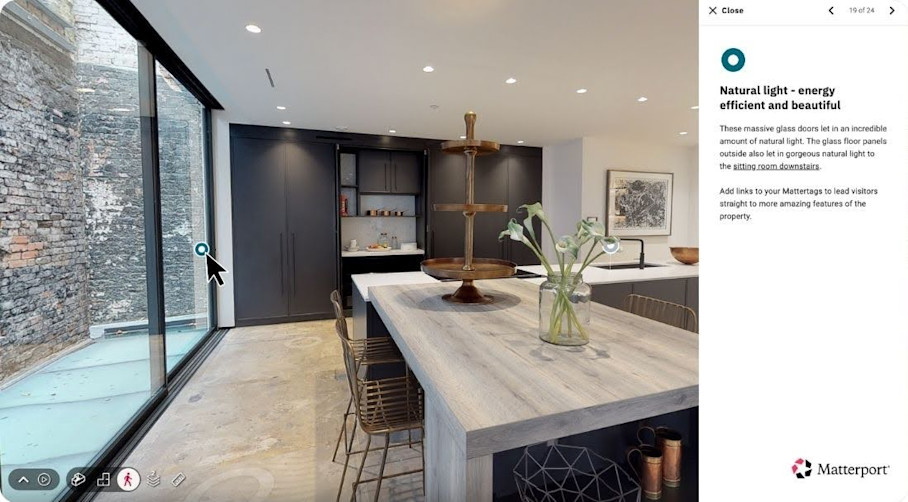
Clearly calling out these features will help renters quickly understand how a space fits their lifestyle. Try using interactive Tags inside your listing’s virtual tour to highlight WFH areas, storage, finishes, and other conveniences, giving prospects a richer, self-guided view of the unit before an in-person visit.
4. Provide shareable experiences
Gen Z often makes rental decisions as a group, consulting roommates, parents, or friends before committing. This reflects their collaborative mindset and desire for social validation: many are moving into their first independent homes, balancing budgets, and navigating shared living arrangements, so input from trusted peers helps reduce risk and ensure the choice works for everyone involved.
Because decisions involve multiple people, speed and ease of sharing matter. Digital, shareable experiences allow prospects to review and discuss units asynchronously. Shareable 3D tour links let renters explore units in detail, then share with roommates or family with a single link. Prospects can even submit questions to an agent via in-tour Notes and get ad-hoc answers in context while they consider a lease.
This keeps group decisions moving quickly, helping prospects move from “maybe” to “apply” without repeated in-person walkthroughs or back-and-forth messaging.
5. Reduce administrative friction
When it comes to the actual leasing process, Gen Z expects digital convenience at every step, right up to signing. Having grown up in a world where services are instant and self-directed, they value processes that let them act on their own schedule without waiting for office hours or repeated follow-ups.
Here are some digital systems you should consider adding to streamline leasing administration include:
Online applications: Submit documents and track status digitally.
Scheduling tools: Automate tour bookings and confirmations to reduce back-and-forth.
Digital payments: Pay deposits, fees, and initial rent securely online.
Electronic signatures: Sign leases without needing in-person appointments.
Tenant document management systems: Store leases, policies, and disclosures for easy access.
Integrated CRM platforms: Track leads, follow-ups, and prospect activity efficiently.
3D Tours: Highlight unit features, floor plans, and amenities with notes that also answer FAQs upfront to reduce administrative follow-ups.
Property managers can also implement a number of modern administration systems that will help to engage and support residents during their tenancy, for example:
Resident Communication Platforms: Centralize messages, notifications, and updates across channels.
Maintenance Request Systems: Enable 24/7 submission and tracking of service requests.
Mobile-friendly tenant portals and apps: Let renters view units, pay rent, and manage requests from their phones.
These tools allow renters to complete routine tasks independently, while property staff can focus on higher-value work. By reducing manual touchpoints, teams can handle more inquiries without adding staff or creating bottlenecks.
Leasing for the new generation of renters with Matterport virtual tours
Attracting and converting Gen Z renters isn’t about adding more features—it’s about removing obstacles. This generation values speed, transparency, convenience, and control, and property teams that streamline the leasing journey while meeting these expectations can close leases faster and more efficiently.
Matterport virtual tours act as an operational enabler and pre-qualification layer, giving renters confidence while reducing repetitive work for teams:
Always-on 3D tours: Let prospects explore units anytime, on any device, reducing the need for unnecessary in-person showings.
Floor plans and Dollhouse views: Provide spatial context so renters can assess layouts and value before visiting.
Tags, Notes, and attachments: Embed answers to common questions—about policies, features, or dimensions—directly inside the tour.
Measurement tools: Allow renters to confirm dimensions for furniture and layout planning.
Shareable tour links: Support group decision-making, letting roommates or family review units instantly.
Mobile-optimized experiences: Ensure all your features work seamlessly on phones, aligning with Gen Z’s expectations for digital-first workflows.
These strategies reflect the future of leasing. Gen Z isn’t just a new renter demographic—they’re setting the standard for how leasing should work in a digital-first world. Their expectations for speed, transparency, convenience, and flexibility reflect workflows that are better for everyone: renters get clarity and control, while property teams reduce repetitive tasks and operate more efficiently.
By using Matterport strategically, property teams provide a confident, efficient, and modern rental experience for not only Gen Z, but everyone involved.
Get in touch with our team

